Compliance Checklists
 ELD Compliance Failures: Root Causes and Fixes in 2026
For trucking fleets, maintaining ELD compliance is no longer just a regulatory requirement—it is a critical component of operational success, safety performance, and audit readiness.
Despite years of industry-wide ELD adoption, many carriers continue to experience compliance violations related to inaccurate logs, driver errors, poor implementation processes, and insufficient oversight.
The challenge is not simply installing an Electronic Logging Device (ELD). The challenge is building a compliance program that ensures the technology, drivers, dispatchers, and management teams work together effectively.
In this guide, we’ll examine the most common ELD compliance failures affecting fleets in 2026, explain their root causes, and provide practical solutions that can help carriers reduce violations before roadside inspections, DOT audits, or compliance reviews.
What Is ELD Compliance?
ELD compliance refers to a fleet’s ability to meet federal requirements governing the use of Electronic Logging Devices, Hours of Service (HOS) recordkeeping, and driver duty status reporting.
Under current electronic logging device regulations, most commercial motor carriers must use FMCSA-compliant ELDs to accurately record driver activity and maintain supporting documentation.
A compliant fleet should be able to:
- Accurately track driver duty status
- Monitor Hours of Service limits
- Produce records during inspections
- Transfer logs electronically when required
- Maintain supporting compliance documentationIdentify and correct log errors promptly
For official guidance, fleets should regularly review FMCSA ELD requirements.
Why ELD Compliance Failures Continue to Increase
Many fleet managers assume that once an ELD is installed, compliance problems disappear.
In reality, technology alone does not eliminate risk.
Most compliance violations stem from a combination of:
- Driver behavior
- Poor implementation processesInadequate training
- Weak management oversightInconsistent auditing procedures
- Data quality issues
As enforcement agencies continue using digital inspection tools and electronic audits, compliance gaps are becoming easier to identify.
The 7 Most Common ELD Compliance Failures in 2026

1. Unassigned Driving Time
Root Cause
One of the most frequent ELD implementation issues occurs when vehicle movement is not assigned to the correct driver.
Common causes include:
- Driver login failures
- Shared equipment
- Yard movement confusion
- Driver swaps without proper log updates
Compliance Risk
Unassigned driving events create audit concerns and can trigger FMCSA scrutiny if left unresolved.
Fix
Implement procedures that require:
- Driver verification before vehicle movement
- Daily review of unassigned events
- Dispatcher monitoring of driver assignments
- Automated compliance alerts
Check our related resource: Smarter Logistics on a Single Platform
2. Hours of Service Logging Errors
Root Cause
Incorrect duty status changes remain one of the largest sources of compliance violations.
Examples include:
- Missed status changes
- Incorrect sleeper berth entries
- Improper personal conveyance use
- Failure to certify logs
Compliance Risk
Errors in hours of service logging can lead to violations, roadside citations, and reduced safety scores.
Fix
Fleets should:
- Conduct weekly log audits
- Train drivers on HOS requirements
- Review exception usage regularly
- Use automated violation alerts
3. Poor Driver Training
Root Cause
Many fleets focus heavily on technology deployment but underestimate driver onboarding requirements.
Drivers may not understand:
- Login proceduresLog certification
- Edit requestsInspection workflows
- Data transfer requirements
Compliance Risk
Even the best ELD platform cannot prevent violations when drivers use it incorrectly.
Fix
Create a structured training program covering:
- Initial onboardingQuarterly refresher training
- Roadside inspection procedures
- ELD troubleshooting
Training should be documented and repeatable across all driver groups.
4. Failure to Monitor Compliance Data
Root Cause
Many carriers only review logs after a violation occurs.
This reactive approach creates unnecessary compliance exposure.
Compliance Risk
Violations accumulate before management becomes aware of problems.
Fix
Adopt proactive DOT compliance management practices including:
- Daily exception reporting
- Weekly compliance reviews
- Automated violation notifications
- Monthly compliance scorecards
Modern fleet platforms should provide real-time visibility into driver compliance status. Fleet compliance automation with Konexial transforms compliance from a constant drain into a strategic asset:
Fleet compliance will only grow more complex. Regulations evolve, enforcement tightens, and customer expectations rise. In this environment, manual processes aren’t just inefficient, they’re risky.
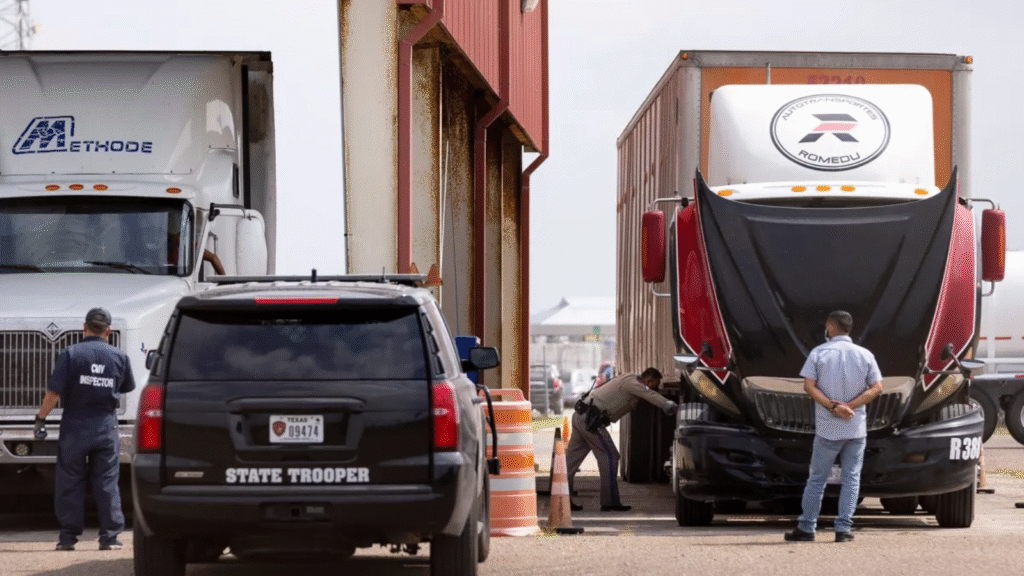
5. Inadequate Roadside Inspection Preparation
Root Cause
Drivers often encounter inspection issues because they are unfamiliar with ELD transfer procedures.
Compliance Risk
Inspection delays can lead to citations, out-of-service situations, and poor inspection experiences.
Fix
Ensure drivers can confidently:
- Enter inspection mode
- Transfer logs electronically
- Locate supporting documents
- Respond to inspector requests
Periodic mock inspections can significantly improve readiness.
Helpful resource: https://www.fmcsa.dot.gov/safety/roadside-inspections

The Hidden Cost of ELD Compliance Failures
Beyond citations and violations, poor compliance can create:
- Increased insurance costs
- Reduced CSA performance
- Driver frustration
- Lost productivity
- Audit exposureReputational risk
For growing carriers, compliance failures often become operational challenges that affect profitability.
This is why leading fleets increasingly treat compliance as a continuous business process rather than a one-time technology project. Integrated systems help managers identify risks earlier and respond faster.
Solutions that combine compliance visibility with operational intelligence often improve both safety outcomes and fleet performance.
For fleets ready to move from reactive compliance to proactive control, automation isn’t a future investment, it’s a present-day advantage.
See Us in action.
Hours of Service logging errors and unresolved unassigned driving events remain among the most common ELD compliance violations across the trucking industry.
Fleets improve ELD compliance through driver training, proactive auditing, real-time monitoring, and consistent compliance management processes.
Common issues include poor onboarding, inadequate training, unassigned driving events, improper log edits, and weak compliance oversight.
Most compliance experts recommend reviewing logs daily and conducting more comprehensive compliance audits monthly.
Investigators may review driver logs, Hours of Service records, supporting documents, safety data, maintenance records, and fleet compliance procedures.