Compliance Checklists
 AI powered fleet safety: From Reactive to Proactive
AI powered fleet safety is no longer just about reacting to incidents, it’s about preventing them before they happen. As the transportation industry evolves, so too does the complexity of the risks fleets face. From rising litigation costs to increasingly congested roadways, carriers are under more pressure than ever to adopt smarter fleet safety systems, and more proactive safety strategies.
A Changing Safety Landscape
Over the past decade, the trucking industry has undergone a dramatic shift. Research shows that driver related factors contribute to the overwhelming majority of crashes. At the same time, legal risks have intensified, with nuclear verdicts reaching staggering levels.
In the past, safety teams relied on limited data, often reconstructing incidents after the fact using engine control modules or driver reports. Today, fleets have access to real time video, telematics, and behavioral analytics. This shift has transformed safety from a reactive function into a proactive, data-driven discipline.
The Data Dilemma: Too Much of a Good Thing
While access to data is a major advantage, it also presents a new challenge: volume.
For a mid sized fleet, thousands of safety events can be generated daily. Without the right tools, safety teams can quickly become overwhelmed spending more time reviewing footage than actually coaching drivers.
This is where artificial intelligence plays a critical role.
From Raw Data to Actionable Insights with AI Fleet Safety Solutions
Modern AI powered fleet safety systems leverage AI to analyze video and telematics data in real time. These systems can automatically detect high-risk behaviors such as:
- – Distracted driving
- – Erratic lane changes
- – Failure to signal
- – Speeding or aggressive braking
Rather than requiring manual review of every event, AI prioritizes the most critical incidents, allowing safety teams to focus on what matters most.
Konexial’s Ki (Konexial Intelligence) Technology takes this a step further. By consolidating data from multiple systems cameras, ELDs, dispatch platforms, and more Ki transforms fragmented information into a unified, actionable safety strategy. Fleets can identify trends, predict risks, and make smarter operational decisions in real time.
Learn more about Ki Technology here:
The Power of Smart Camera Systems
At the heart of this transformation is advanced in-cab camera technology. Solutions like Konexial’s My20 Logicam provide fleets with a comprehensive view of driver behavior and road conditions.
Explore the My20 Logicam:
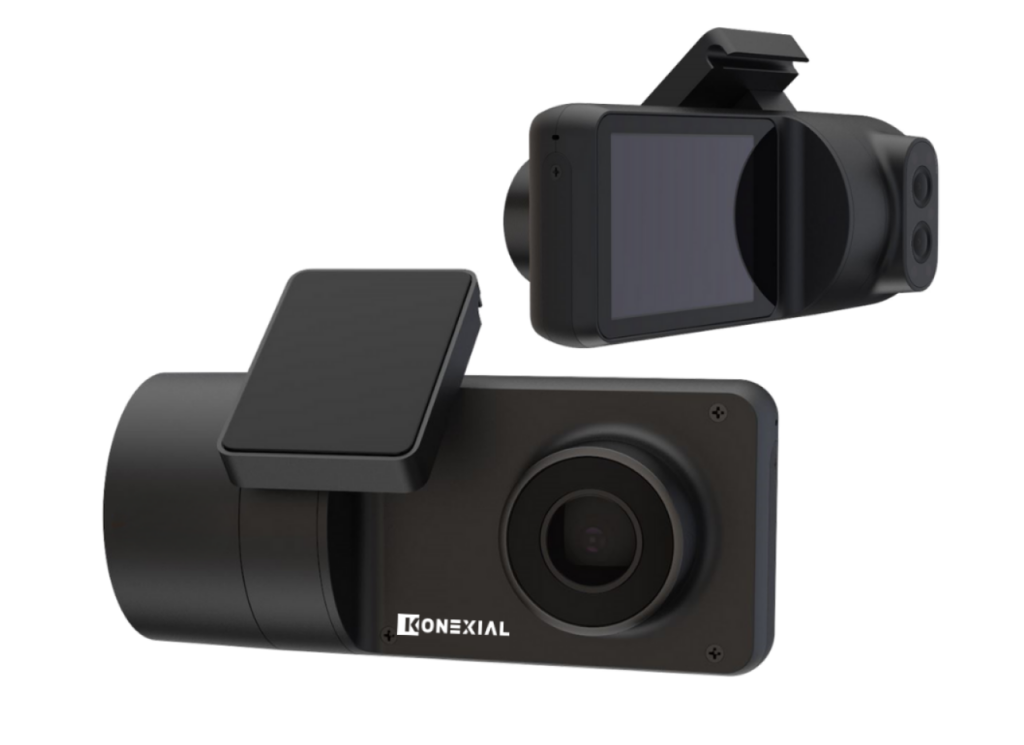
These systems go far beyond simple forward-facing cameras. Modern configurations include:
- – Side cameras for lane-change visibility and blind spot monitoring
- – Rear cameras for full 360° awareness
- – Driver-facing cameras (optional) for detecting distraction or fatigue
One of the most significant benefits of these systems is context. A harsh braking event, for example, may initially appear risky, but video footage can reveal that the driver was actually avoiding a collision. This level of insight is essential for fair coaching and accurate incident analysis.
From Blame to Protection: Changing Driver Perception
Driver adoption remains one of the biggest hurdles in implementing safety technology. Many drivers initially view cameras as punitive tools.
However, when positioned correctly, these systems become powerful allies.
Video evidence has repeatedly proven to exonerate drivers in accidents caused by passenger vehicles. In many cases, claims are dropped entirely once footage is reviewed. This not only protects drivers but also saves companies from costly litigation.
Successful fleets take a proactive approach to adoption by:
- – Clearly communicating the purpose of the technology
- – Involving experienced drivers as program ambassadors
- – Allowing adjustment periods before enforcing policies
- – Recognizing and rewarding safe driving behavior
Coaching That Actually Works
Timely and consistent coaching is critical to improving driver behavior. However, coaching loses effectiveness when delayed.
By combining AI fleet safety solutions filtering with human review, fleets can:
- – Deliver near real-time feedback
- – Provide context-rich coaching sessions
- – Reinforce positive behaviors, not just correct mistakes
This shift from reactive discipline to proactive development leads to better outcomes for both drivers and companies.
Beyond the Cab: Using Fleet safety technology to Improve Operations
One of the most exciting developments in Smart fleet safety systems is the ability to apply safety data beyond individual drivers.
With Ki AI powered fleet safety analytics, fleets can identify:
- High risk routes and corridors
- Dangerous intersections or merge zones
- Patterns tied to specific locations or conditions
This insight allows operations teams to:
- Adjust routes proactively
- Assign experienced drivers to higher-risk lanes
- Provide pre-trip safety briefings for known hazards
In essence, safety becomes embedded into every layer of the operation, from dispatch to driver training.
The Future Is Proactive
The ultimate goal of modern AI powered fleet safety isn’t to review more footage, it’s to prevent incidents altogether.
By leveraging AI , advanced camera fleet safety systems like the My20 Logicam, and integrated platforms such as Ki Technology, fleets can:
- – Identify risk before it escalates
- – Coach drivers more effectively
- – Reduce accidents and claims
- – Build a culture of safety and accountability
As the industry continues to evolve, one principle remains clear: the fleets that succeed will be those that move from reactive response to proactive prevention.
Final Thought:
Data alone doesn’t improve safety, how it is used does. The combination of AI, human insight, and integrated technology is what turns information into impact.