Compliance Checklists
 Resilient Fleet Logistics: Building Agility with AI Powered Decision Making
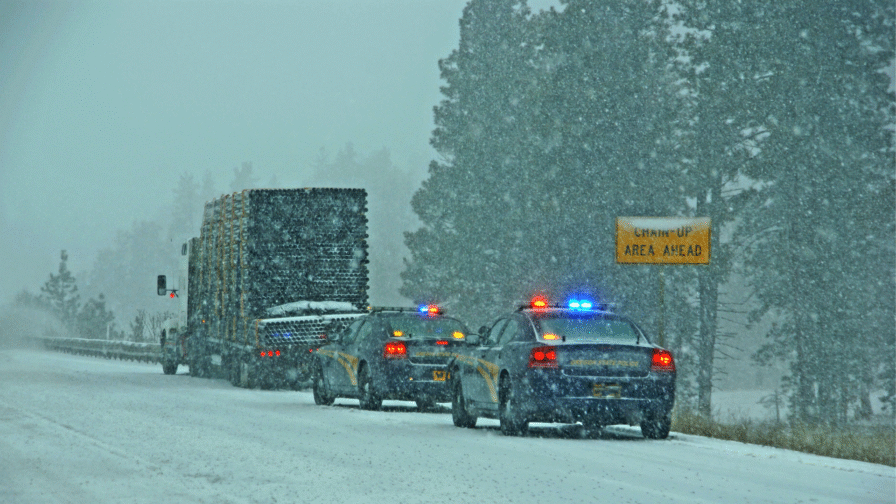
In the U.S. alone, weather-related disruptions cost the trucking industry billions annually in delays, damaged freight, and lost productivity. For fleet leaders navigating today’s volatility, disruption isn’t an exception, it’s the baseline. Building Resilient Fleet Logistics is becoming more essential for companies facing these constant challenges.
That’s why resilient fleet logistics has become a board-level priority. From sudden market swings and capacity crunches to extreme weather and shifting customer expectations, modern fleets must do more than react. They must adapt continuously, intelligently, and at scale.
AI-powered logistics platforms are redefining what resilience looks like. By combining connected hardware, edge intelligence, and cloud analytics, fleets can shift from reactive firefighting to proactive, data-driven orchestration.The result? Less downtime. Safer drivers. Stable capacity even in turbulent markets.
Disruption Is the Only Constant
Volatility now touches every aspect of fleet operations:
- Severe weather events are increasing in frequency and intensity.
- Fuel price fluctuations compress margins overnight.
- Labor shortages and regulatory changes strain capacity.
- Customer expectations demand tighter ETAs and real-time visibility.

Awareness isn’t enough.
Legacy telematics systems tell you what happened. True resilience requires knowing what’s about to happen and automatically adjusting before it costs you.
This is where AI-powered logistics changes the equation for Resilient Fleet Logistics.
Three Pillars of Fleet Resilience
Resilience isn’t a feature. It’s a framework built on three interconnected capabilities: real-time risk assessment, dynamic orchestration, and predictive optimization.
1. Real-Time Risk Assessment
A resilient fleet starts with visibility not just into vehicles, but into risk.
Modern platforms like ours at Konexial leverage edge AI and cloud intelligence to generate a real-time risk assessment fleet score, factoring in:
- Weather forecasts and storm paths
- Traffic congestion patterns
- Road closures and construction
- Driver HOS availability
- Equipment health signals
- Market rate fluctuations
Instead of static dashboards, leaders see dynamic risk scores tied to routes, assets, and loads.
ROI Callout: Fleets using AI-driven risk scoring reduce unexpected downtime by up to double-digit percentages by rerouting before disruption hits.
Adapt > React.
When risk scores spike, the system doesn’t just alert you it recommends alternatives.
2. Dynamic Routing & Load Balancing
Traditional route planning locks in decisions hours, sometimes days in advance. But in volatile conditions, static plans become liabilities.
AI powered logistics platforms enable:
- Automatic rerouting around storms or congestion
- Real-time load reallocation to balance capacity
- Cross fleet visibility to prevent bottlenecks
- Proactive detention avoidance
Instead of dispatch manually scrambling when conditions shift, the system continuously recalculates the optimal path.
This is adaptive fleet planning in action.
ROI Callout: Dynamic routing can cut detention fees and fuel waste significantly, while preserving on-time delivery performance during high-risk events.
The difference is structural: legacy systems inform. Intelligent systems orchestrate.
3. Predictive Maintenance & Inventory Optimization
Resilience isn’t just about routes it’s about equipment readiness.
AI models analyze:
- Engine diagnostics
- Brake wear patterns
- Tire pressure anomalies
- Idle time and usage cycles
Predictive alerts reduce breakdowns and align maintenance schedules with operational windows.
At the same time, integrated inventory analytics ensure critical parts are available where and when they’re needed especially during regional surges or disruptions.
ROI Callout: Predictive maintenance not only reduces roadside breakdowns, but also lowers repair costs and protects driver safety. Fleets can stabilize capacity and maintain performance even during peak demand with these changes.
Resilient fleets don’t scramble for parts or sideline assets unexpectedly. They anticipate and optimize.
Mini Case: Beating a Storm, Saving $120,000 in Detention Fees
Imagine a regional carrier moving high-value freight across the Midwest during peak storm season.
A severe weather system begins forming along a key corridor. In a legacy environment, dispatch might learn about the impact once traffic stalls triggering late deliveries and cascading detention charges.
With AI powered logistics:
- The system flags elevated weather risk 36 hours in advance.
- Risk scores spike for 42 active loads.
- Alternative routes and load rebalancing options are automatically generated.
- Drivers receive updated routing via in-cab devices.
- Customers receive proactive ETA adjustments.
The result?
- 89% of loads arrive on time.
- No major service failures.
- An estimated $120,000 saved in avoided detention and service penalties.
This is what supply chain agility looks like in real life not reactive damage control, but coordinated adaptation.
Unified Insight: Hardware + Edge AI + Cloud Analytics
Resilient Fleet Logistics depends on alignment.
Disconnected systems create silos dispatch sees one picture, maintenance another, executives yet another.
A modern fleet intelligence architecture unifies:
- In cab and trailer hardware sensors
- Edge AI processing for immediate insights
- Cloud-based analytics for fleet wide optimization
- Shared dashboards for stakeholders

Everyone operates from the same real-time intelligence layer.
Operations managers adjust routing.
Safety leaders monitor driver risk.
Executives track capacity stability.
Unified insight builds organizational confidence and accelerates decision velocity.
For a deeper look at selecting the right technology foundation, explore What to Look for in a Fleet Intelligence Platform.
Your Resilience Roadmap
They key to building Resilient Fleet Logistics doesn’t happen overnight. It’s a phased transformation:
- Assess Vulnerabilities
Identify top disruption drivers: weather, breakdowns, labor constraints, fuel volatility. - Centralize Data Streams
Integrate telematics, maintenance, HOS, and external data feeds. - Implement Real-Time Risk Scoring
Prioritize loads and routes by exposure level. - Enable Adaptive Fleet Planning
Deploy dynamic routing and automated load balancing. - Operationalize Continuous Learning
Refine predictive models based on performance outcomes. - Align Stakeholders
Ensure shared visibility across operations, safety, and finance.
Resilience is not a one time project. It’s continuous improvement powered by intelligent systems that learn over time.
- Download the Fleet Safety Planner (PDF)
- Schedule a Demo to See AI-Driven Resilience in Action
Continuous Learning: The Compounding Advantage
The most powerful aspect of AI powered logistics is that it improves over time.
Every reroute, delay, maintenance event, and safety intervention feeds the model. Predictions sharpen. Risk scoring becomes more precise. Resource allocation becomes more efficient.
Legacy systems plateau. Intelligent systems compound.
ROI Callout: Over time, fleets leveraging continuous AI optimization see sustained gains in uptime, fuel efficiency, and service reliability even as external volatility increases.
Resilience becomes embedded in operations, not dependent on heroic human intervention.
Future-Proof with Ki™
Ki™ was built for volatility.
Designed around real-time intelligence and adaptive orchestration, Ki™ delivers:
- Real time risk scoring across routes and assets
- Dynamic routing and automated load balancing
- Integrated predictive maintenance analytics
- Unified dashboards across stakeholders
- Continuous model refinement
Ki™ doesn’t just digitize operations it transforms them.
The outcome is simple yet powerful: stable performance, even in unstable conditions. As a result, fleets can operate with greater confidence during disruption. If you’re evaluating platforms, therefore, revisit What to Look for in a Fleet Intelligence Platform to ensure your technology investment supports long-term resilience.
Take the Next Step Toward Resilience
Disruption isn’t going away.
Resilient fleet logistics is no longer optional. It’s a competitive differentiator that protects margins, drivers, and customer trust.
AI-powered logistics provides the roadmap:
- See risk in real time.
- Adapt before disruption hits.
- Continuously improve performance.
The fleets that thrive tomorrow are the ones building intelligent resilience today.
- Download the Fleet Resilience Checklist
- Request a Demo of Ki™ and Start Building a Smarter, More Adaptive Fleet
TL;DR: Resilient fleet logistics is now essential. Disruptions like severe weather, fuel price swings, labor shortages, and rising customer demands are constant. By combining real-time risk scoring, dynamic routing and load balancing, and predictive maintenance, modern fleet intelligence platforms transform reactive operations into proactive, data-driven orchestration. Resulting in reduced downtime, lower detention fees, improved driver safety, stabilized capacity, and stronger on-time performance. AI-powered logistics platforms like Ki™ enable continuous learning and adaptive fleet planning, helping transportation leaders future-proof operations, protect margins, and build long-term supply chain resilience in unpredictable markets.