Compliance Checklists
 10 AI Dash Cam Metrics Fleet Managers Should Track
AI dash cams for fleet safety have evolved far beyond recording accidents. Today’s systems deliver real time coaching, identify risky behavior before crashes happen, and help fleet managers measure safety performance with precision.
But many fleets still struggle with one question:
Which metrics actually matter?
For fleet and safety managers, success is not about collecting more footage. It is about tracking measurable indicators that reduce incidents, improve driver performance, and lower operational risk.
This guide breaks down the 10 most important AI dash cam safety metrics every fleet should monitor, and how each one contributes to safer operations, stronger coaching programs, and better business outcomes.
Why Metrics Matter in AI Dash Cam Programs
Modern driver monitoring systems generate enormous amounts of safety data. Without a framework for prioritizing insights, fleets can easily become overwhelmed by alerts, event clips, and dashboards.
The right metrics help fleets:
- Identify high risk drivers earlier
- Reduce preventable collisions
- Improve coaching effectiveness
- Lower insurance exposure
- Measure ROI from safety technology
- Create accountability across operations
The best fleets focus on metrics tied directly to risky driving behavior reduction, not vanity statistics.
1. Unsafe Following Distance Events
Tailgating remains one of the most common contributors to rear end collisions in commercial fleets.
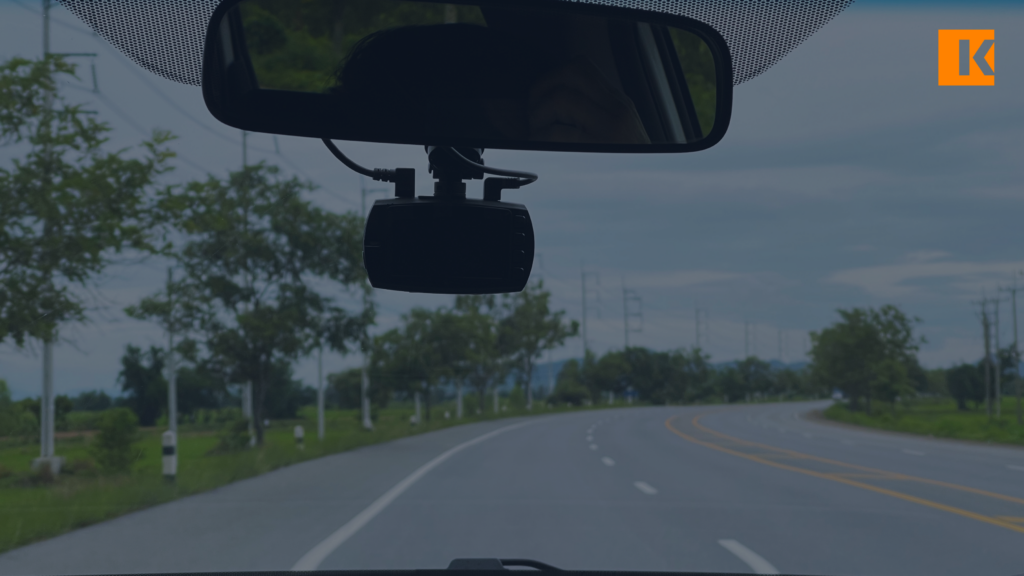
AI dash cams use forward-facing cameras and telematics data to detect when drivers follow too closely at unsafe speeds.
Why It Matters
Following distance violations often indicate:
- Driver distraction
- Fatigue
- Aggressive driving habits
- Inadequate defensive driving practices
What to Track
- Unsafe following events per 1,000 miles
- Repeat offenders
- Trends by route or time of day
2. Distracted Driving Alerts
One of the most valuable forms of real time fleet safety insights comes from detecting distracted driving behaviors as they happen.
AI dash cams can identify:
- Phone usage
- Eyes off road
- Smoking
- Eating while driving
- Driver drowsiness
Why It Matters
Distracted driving is a leading cause of severe commercial vehicle accidents.
What to Track
- Total distraction alerts
- Average distractions per driver
- Frequency by trip duration
- Time-to-correction after coaching
3. Harsh Braking Frequency
Harsh braking often signals poor anticipation, speeding, or distracted driving.
While occasional hard braking may be unavoidable, excessive events typically indicate elevated driving risk.
Why It Matters
Frequent harsh braking can:
- Increase accident probability
- Accelerate vehicle wear
- Raise maintenance costs
- Reduce fuel efficiency
What to Track
- Harsh braking events per 100 trips
- Driver comparison rankings
- High frequency routes or delivery zones
4. Speeding Violations
Speed remains one of the strongest predictors of collision severity.
AI dash cams paired with telematics provide contextual speeding data, not just raw speed logs.
Why It Matters
Speeding impacts:
- Crash severity
- Fuel consumption
- Insurance exposure
- CSA scores
What to Track
- Speeding duration
- Percentage over posted speed limit
- Repeat speeding corridors
- Driver-specific speeding trends
5. Driver Coaching Completion Rate
Technology alone does not improve safety. Coaching does.
One overlooked metric in commercial fleet management is whether coaching actually happens consistently.
Why It Matters
A strong coaching process transforms alerts into behavioral change.
What to Track
- Coaching sessions completed
- Time from incident to coaching
- Driver acknowledgment rates
- Post coaching improvement metrics
6. Seat Belt Compliance
Many fleets underestimate how effectively AI systems can detect seat belt usage automatically.
Why It Matters
Seat belt noncompliance significantly increases injury severity during accidents.
What to Track
- Seat belt violations per driver
- Repeat noncompliance trends
- Compliance percentage fleet-wide
7. Near Miss Incident Rate
Near misses are one of the most predictive safety indicators available through driver behavior analytics with video.
AI systems can capture risky moments before they become reportable accidents.
Why It Matters
Near misses reveal:
- Emerging risk trends
- Dangerous driving environments
- Drivers needing proactive intervention
What to Track
- Near misses per 10,000 miles
- High risk drivers
- Frequent incident locations
8. Fatigue Detection Alerts
Driver fatigue remains a major issue in long haul and regional trucking operations.
AI dash cams can identify signs such as:
- Eye closure duration
- Head nodding
- Lane drifting
- Delayed reaction patterns
Why It Matters
Fatigue related crashes are often severe and costly.
What to Track
- Fatigue alerts by shift
- Time of day patterns
- Repeat fatigue incidents
- Correlation with route schedules
9. False Alert Rate
Not every AI generated alert is accurate.
Tracking false positives is critical for maintaining driver trust and preventing alert fatigue.
Why It Matters
Excessive false alerts can:
- Reduce driver buy in
- Overwhelm safety managers
- Weaken coaching effectiveness
What to Track
- Percentage of dismissed alerts
- Most common false alert categories
- Accuracy improvements over time
10. Safety Score Improvement Over Time
Many AI dash cam platforms generate composite safety scores based on driving behavior.
While no single score tells the whole story, trendlines are extremely useful.
Why It Matters
Improving safety scores often correlate with:
- Lower accident rates
- Better driver engagement
- Reduced insurance claims
What to Track
- Month over month safety score trends
- Fleet wide averages
- Coaching impact on scores
- Top and bottom performers
How the Best Fleets Use AI Dash Cam Metrics
Top-performing fleets do not simply monitor data. They operationalize it.
Successful safety programs typically:
- Review metrics weekly
- Prioritize leading indicators over lagging indicators
- Focus coaching on repeat behaviors
- Reward improvement, not just compliance
- Use video evidence for objective conversations
The combination of AI dash cams for fleet safety and structured performance metrics creates a measurable path toward fewer accidents and stronger driver accountability.
Choosing the Right AI Dash Cam Platform for Fleet Safety
Not all platforms deliver the same level of actionable insight.
When evaluating systems, prioritize solutions that offer:
- Real time alerts
- Accurate driver monitoring systems
- Flexible coaching workflows
- Customizable reporting
- Integrated telematics
- Reliable video retrieval
- Scalable analytics dashboards
Konexial help fleets turn raw video into measurable operational improvements.
Final Thoughts
AI dash cams are no longer just recording devices. They are performance management tools for modern fleet safety operations.
For safety managers, the real advantage comes from tracking the right metrics consistently and using them to drive meaningful coaching conversations.
By focusing on these 10 metrics, fleets can create a more proactive safety culture, reduce preventable incidents, and make smarter decisions backed by real world driving data.
The future of commercial fleet management will increasingly depend on measurable, AI-driven safety intelligence and the fleets that master these metrics will gain a significant operational advantage.