Compliance Checklists
 Why Safe Routing is Crucial after the SCOTUS Broker Ruling
The Supreme Court’s Broker Liability Decision Changes the Freight Industry’s Approach to Carrier Selection
The freight industry is facing a major shift in how brokers evaluate transportation risk. Following the Supreme Court’s unanimous May 14 decision allowing freight brokers to be held legally responsible in state courts for negligently selecting unsafe carriers, safe routing and carrier qualification have become more important than ever.
For decades, freight brokers have played a critical role in connecting shippers with transportation providers. However, the recent ruling reinforces a clear message: brokers must take proactive steps to ensure the carriers they recommend are safe, qualified, and capable of handling the freight they are assigned.
As a result, the days of simply matching available trucks with available loads are over. Today, freight brokers must think beyond capacity and pricing. Instead, they must prioritize safety, compliance, and risk management at every step of the transportation process.
What Did the SCOTUS Broker Ruling Mean for Freight Brokers?
The Supreme Court’s decision addressed whether freight brokers could face liability when they select a carrier that later becomes involved in a serious accident. Specifically, the ruling examined the responsibility brokers may have when evaluating the safety and qualifications of the transportation providers they choose.
As a result, the decision opened the door for state courts to consider negligence claims against brokers based on carrier selection practices. In practical terms, this means brokers may need to demonstrate that they used reasonable care when choosing transportation providers. Moving forward, thorough carrier vetting, documented safety processes, and proactive risk management will become increasingly important components of freight brokerage operations.
A broker’s responsibility may now extend beyond:
- Finding available capacity
- Negotiating rates
- Coordinating shipments
It increasingly focuses on:
- Reviewing carrier safety records
- Evaluating compliance history
- Monitoring operational risks
- Making informed routing decisions
- Selecting carriers with proven safety performance
to exercise ordinary care in selecting a carrier therefore ‘concerns’ motor vehicles—most obviously, the trucks that will transport the goods.” – Justice Barrett

Why Safe Routing Matters More After the Supreme Court Decision
Safe routing is not just about choosing the fastest or most cost-effective route. Instead, it focuses on reducing preventable transportation risks.
It also supports safer operations through better-informed routing decisions. To achieve this, a safe routing strategy evaluates multiple risk factors.
For example, fleets and brokers should consider carrier safety history, accident trends, and hours-of-service compliance. They should also review equipment suitability, weather conditions, and road restrictions.
Additionally, high-risk travel areas and cargo-specific requirements should be considered before each trip. By evaluating these factors, fleets and brokers can make safer routing decisions.
Ultimately, a proactive approach to safe routing strengthens safety strategies. It also supports drivers, customers, and transportation partners.
How Konexial Helps Fleets Navigate New Safety Expectations After the SCOTUS Broker Ruling
The SCOTUS broker ruling has increased focus on how transportation companies manage risk. It also impacts how they select partners and prioritize safety.
As a result, fleets must be more proactive when evaluating safety processes. They must also ensure they have the right technology for operations.
To meet these evolving demands, Konexial provides technology solutions that support safer operations and better decision-making. These solutions also improve visibility across the transportation process.
By combining commercial navigation, fleet data, and safety-focused tools, Konexial helps carriers manage transportation risk. In addition, these solutions help fleets strengthen safety practices and prepare for changing industry expectations.
Supporting Safer Routing Decisions
One of the biggest challenges fleets face is ensuring drivers follow routes suited for commercial vehicles. However, many consumer navigation tools are not built for trucks.
These tools often overlook important factors like vehicle size, weight, road restrictions, and commercial vehicle requirements. As a result, drivers may face unnecessary risks while traveling.
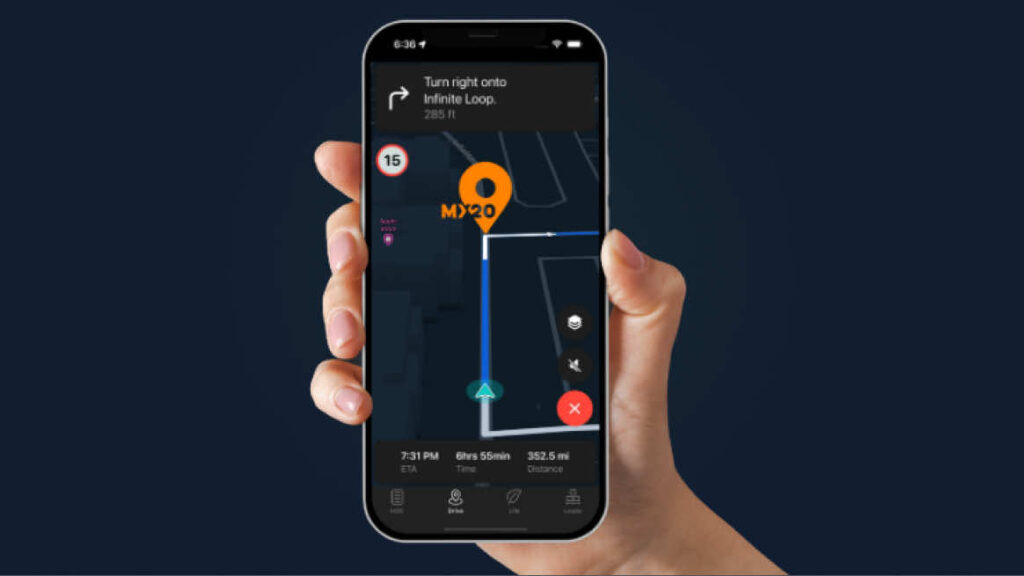
Because of this, truck-specific navigation is essential for safer, more informed routing decisions. With Konexial Commercial Navigation, fleets can use technology built for commercial transportation needs.
As a result, drivers can avoid unsuitable routes, reduce risk, and improve confidence behind the wheel.
Helping Fleets Build a Stronger Safety Process
In today’s transportation environment, fleets need more than basic GPS directions. They need tools that support a complete safety strategy.
Konexial helps fleets address growing safety concerns by supporting:
- More informed routing decisions
- Better driver guidance
- Improved operational visibility
- More consistent safety practices
- Documentation of safety-focused processes
By using technology to support safer decisions, fleets can strengthen their overall risk management approach.
Protecting Fleet Reputation and Customer Relationships
The transportation industry depends on trust. Shippers, brokers, and logistics partners want to work with carriers that prioritize safety and reliability.
Following the SCOTUS broker ruling, fleets that can demonstrate strong safety practices and responsible operations are better positioned to build confidence with their partners. Konexial helps fleets leverage technology to support those efforts by providing tools designed to improve visibility, efficiency, and safety performance.
The Future of Fleet Safety Requires Smarter Technology
Konexial helps fleets prepare for this new environment by providing technology that supports safer routes, smarter operations, and a stronger culture of safety. In a world where every mile matters, having the right tools can make the difference between simply completing a trip and completing it safely.